
Conditions We Treat

Pelvic Floor Dysfunction
Pelvic floor dysfunction occurs when the muscles supporting the bladder, uterus, and rectum become weak or damaged. Symptoms include incontinence, difficulty controlling bowel movements, and pain during sex — all of which can significantly affect quality of life and self-confidence.
How can Pelvic Floor Dysfunction Be Treated?
A physiotherapist specializing in pelvic health can assess your pelvic floor and create a personalized treatment plan, which may include:
- Pelvic Floor Muscle Exercises — Also known as Kegel Exercises, to improve muscle strength and control.
- Manual Therapy — Hands-on techniques to improve muscle function and reduce pain.
- Biofeedback — Helps you learn to correctly contract and relax your pelvic floor muscles.
- Education — Guidance on body mechanics and bladder/bowel habits to prevent future dysfunction.
A Multidisciplinary Approach at Bodiworks
Physiotherapy leads your recovery at Bodiworks, working alongside our other therapies for a complete, coordinated approach to care:
- Chiropractic Care — Gentle alignment of the pelvis and lower spine can ease tension that contributes to pelvic floor dysfunction.
- Massage Therapy — Relaxes the surrounding hip, abdominal, and lower back muscles to reduce pain and support pelvic function.
- Acupuncture — Helps calm pelvic pain and supports the body's natural healing response.

Tendonitis
Tendonitis is inflammation of the tendons — the tissue connecting muscles to bones. It most commonly affects the shoulders, elbows, wrists, hips, knees, and heels. It’s usually caused by overuse or repetitive strain, and symptoms include pain, stiffness, tenderness, and swelling. Prompt treatment helps prevent worsening and speeds recovery.
How can a physiotherapist treat Tendonitis?
Your physiotherapist will develop a personalized treatment plan that may include:
- Soft Tissue Massage — Reduces pain, swelling, and muscle tightness around the affected tendon.
- Acupuncture — Reduces pain and inflammation while stimulating the body’s natural healing processes.
- Joint Mobilization — Restores range of motion — a critical step to recovery.
- Strength & Stretching Exercises — Improves muscle strength and flexibility to overcome tendonitis.
- Education — Proper body mechanics and use of braces to reduce re-injury risk.
A Multidisciplinary Approach at Bodiworks
Physiotherapy leads your recovery at Bodiworks, working alongside our other therapies for a complete, coordinated approach to care:
- Chiropractic Care — Improves joint alignment around the affected tendon to reduce strain and irritation.
- Massage Therapy — Soft tissue work reduces tension and swelling and improves blood flow to the healing tendon.
- Acupuncture — Eases pain and inflammation while stimulating the body's natural healing.
- Shockwave Therapy — Stimulates repair in stubborn, long-standing tendon problems.
When combined, physiotherapy, massage therapy, and acupuncture offer a comprehensive approach to managing tendonitis and returning to your normal activities safely.
Book Your Appointment Now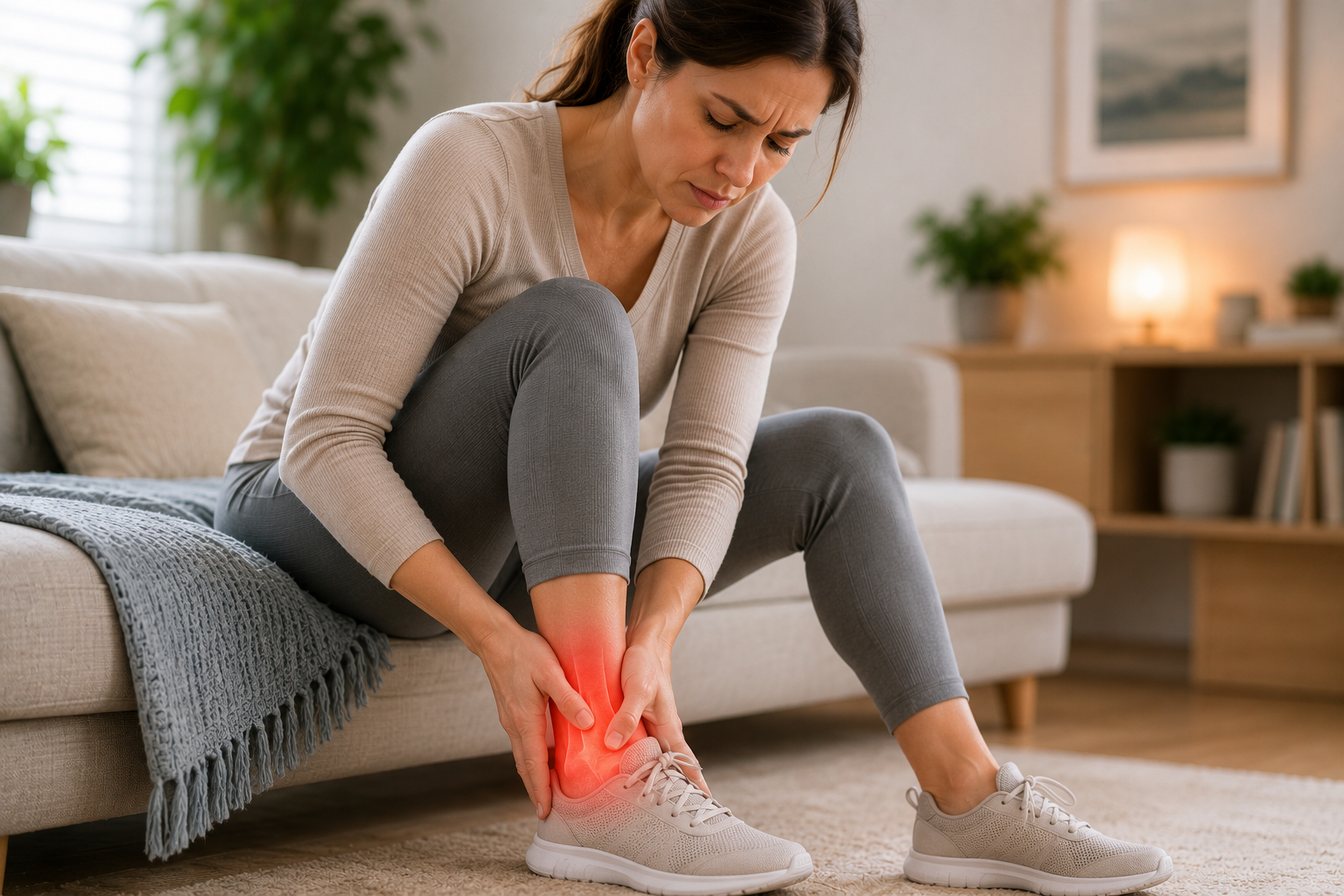
Sprain and Strain
A sprain is an injury to a ligament (connecting bones), while a strain affects a muscle or tendon (connecting muscles to bones). Both can result from overuse, sudden impact, or incorrect lifting. Symptoms include pain, swelling, stiffness, bruising, and difficulty moving the affected area.
What are the treatments for Sprains and Strains?
A physiotherapist can assess your injury and create a personalized recovery plan, including:
- Soft tissue massage — Promotes healing of damaged connective tissues.
- Joint Mobilization — Restores range of motion, a critical step to recovery.
- Strength & Stretching Exercises — Rebuilds muscle strength and flexibility in the affected area.
A Multidisciplinary Approach at Bodiworks
Physiotherapy leads your recovery at Bodiworks, working alongside our other therapies for a complete, coordinated approach to care:
- Chiropractic Care — Restores proper joint movement around the injured area to support recovery.
- Massage Therapy — Promotes healing of damaged soft tissue and reduces protective muscle guarding.
- Acupuncture — Reduces pain and swelling in the early stages of healing.
Beyond pain relief, physiotherapy helps prevent future injuries through proper body mechanics education and targeted strengthening.
Book Your Appointment Now
Shoulder Pain
The shoulder is a ball-and-socket joint with extensive connective tissue, allowing multi-directional movement but making it susceptible to injury — especially rotator cuff injuries. Symptoms include deep shoulder pain, arm weakness, difficulty reaching behind the back, and disrupted sleep. Physiotherapy can often reduce pain and restore strength without surgery. According to the American Physiotherapy Association, physiotherapy alone produces results comparable to surgical repair for nontraumatic rotator cuff tears.
How can one treat Shoulder Pain?
Many patients experience improvement after just a few sessions using techniques such as:
- Massage Therapy — Reduces muscle tension and improves flexibility in the shoulder joint.
- Acupuncture — Targets specific points to reduce inflammation and stimulate healing.
- Ice & Heat Therapy — Ice reduces acute swelling; heat (after 72 hours) relaxes muscles and promotes blood flow.
- Physiotherapy — Hands-on mobilization to restore natural tissue mobility.
- Stretching and Exercise — Progressive exercises to regain full range of motion, often including neck and spine work.
A Multidisciplinary Approach at Bodiworks
Physiotherapy leads your recovery at Bodiworks, working alongside our other therapies for a complete, coordinated approach to care:
- Chiropractic Care — Addresses joint restrictions in the shoulder, neck, and upper back that contribute to pain.
- Massage Therapy — Releases tight muscles around the shoulder to improve comfort and mobility.
- Acupuncture — Reduces pain and inflammation in the shoulder joint and surrounding tissues.
- Shockwave Therapy — Helps resolve chronic rotator cuff and tendon issues.

Vestibular Disorder
Vestibular disorders affect the inner ear system that controls balance and eye movements, causing dizziness, vertigo, and difficulty walking. Causes include inner ear inflammation, infection, medications, and conditions like Meniere’s disease and vestibular migraine.
How can one treat Vestibular Disorder?
Physiotherapy and vestibular rehabilitation can retrain the brain to process balance information more effectively. Treatment may include:
- Vestibular Rehabilitation — Specialized therapy that retrains the brain to reduce dizziness, vertigo, and balance issues.
- Balance and Strength Training — Improves overall stability and reduces fall risk.
- Manual Therapy — Reduces pain and improves mobility in the affected area.
A Multidisciplinary Approach at Bodiworks
Physiotherapy leads your recovery at Bodiworks, working alongside our other therapies for a complete, coordinated approach to care:
- Chiropractic Care — Treats neck-related contributions to dizziness and improves head and neck mobility.
- Massage Therapy — Relieves neck and upper-back tension that can worsen dizziness.
- Acupuncture — Can help reduce the nausea and tension that often accompany vestibular problems.

Arthritis
Arthritis causes joint inflammation, leading to pain, stiffness, swelling, and limited mobility. The most common types are osteoarthritis (wear and tear), rheumatoid arthritis (autoimmune), and gout (uric acid buildup). While more common in older adults, it can affect any age group.
How can physiotherapy and massage therapy help?
A combination of treatments can improve mobility and manage symptoms:
- Joint Mobilization — Gently moves affected joints to improve range of motion and reduce stiffness.
- Flexibility and Strength Exercises — Tailored programs to restore joint function and build supporting muscle strength.
- Acupuncture — Stimulates specific points to reduce pain, inflammation, and promote endorphin release.
- Massage & Heat/Cold Therapy — Reduces pain and swelling while improving circulation.
A Multidisciplinary Approach at Bodiworks
Physiotherapy leads your recovery at Bodiworks, working alongside our other therapies for a complete, coordinated approach to care:
- Chiropractic Care — Improves joint mobility and reduces stiffness in arthritic joints.
- Massage Therapy — Eases the muscle tension and soreness that build up around arthritic joints.
- Acupuncture — Reduces joint pain and inflammation and supports better daily function.
- Erchonia Laser Therapy — Calms joint pain and stiffness with painless light therapy.
Knee Injuries
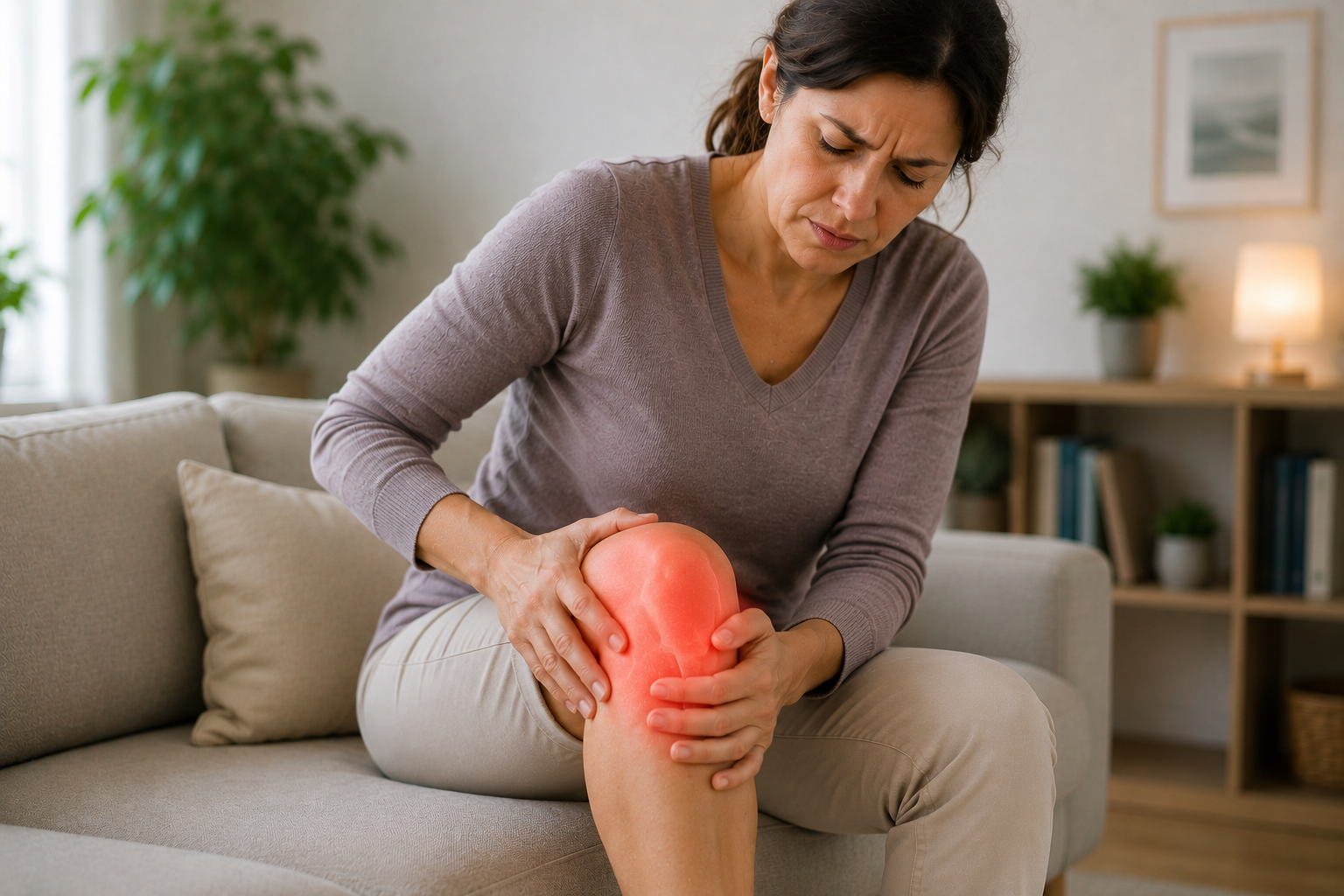
Knee injuries can affect the bones, ligaments, tendons, and muscles of the knee. They range from mild to severe and are commonly caused by falls, direct impact, or overuse. Symptoms include pain, swelling, stiffness, instability, and difficulty bearing weight.
How can we treat Knee Injuries?
Initial treatment typically involves rest, ice, compression, and elevation (RICE). Physiotherapy then focuses on restoring function:
- Joint Mobilization — Gently moves the knee to improve range of motion and reduce stiffness.
- Hot and Cold Therapy — Manages pain and swelling throughout recovery.
- Strengthening Exercises — Tailored programs to rebuild strength, flexibility, and stability in the knee.
A Multidisciplinary Approach at Bodiworks
Physiotherapy leads your recovery at Bodiworks, working alongside our other therapies for a complete, coordinated approach to care:
- Chiropractic Care — Addresses alignment of the hip, knee, and ankle to reduce strain on the joint.
- Massage Therapy — Loosens tight thigh and calf muscles that affect knee movement.
- Acupuncture — Reduces knee pain and swelling and supports healing.
- Custom Orthotics — Corrects foot mechanics that place uneven stress on the knee.

Neck and Back Pain
Neck and back pain can be caused by poor posture, injury, or underlying medical conditions. Symptoms range from stiffness and soreness to radiating pain, headaches, numbness, and tingling in the arms or legs.
How can we treat Neck and Back Pain?
- Massage Therapy — Reduces muscle tension and enhances circulation for improved mobility and pain relief.
- Acupuncture — Targets specific points to reduce inflammation and stimulate natural healing.
- Spinal Manipulation — Gently moves the spine to improve range of motion and reduce stiffness.
- Exercise Programs — Tailored strength and flexibility exercises for the neck and back.
A Multidisciplinary Approach at Bodiworks
Physiotherapy leads your recovery at Bodiworks, working alongside our other therapies for a complete, coordinated approach to care:
- Chiropractic Care — Spinal adjustments relieve joint restrictions and reduce nerve irritation in the neck and back.
- Massage Therapy — Releases tight muscles along the spine to reduce pain and improve movement.
- Acupuncture — Reduces pain and muscle tension throughout the neck and back.
- Dry Needling / IMS — Releases stubborn trigger points contributing to persistent pain.
Your physiotherapist will also provide guidance on posture, ergonomics, and pain management techniques to prevent recurrence.
Book Your Appointment Now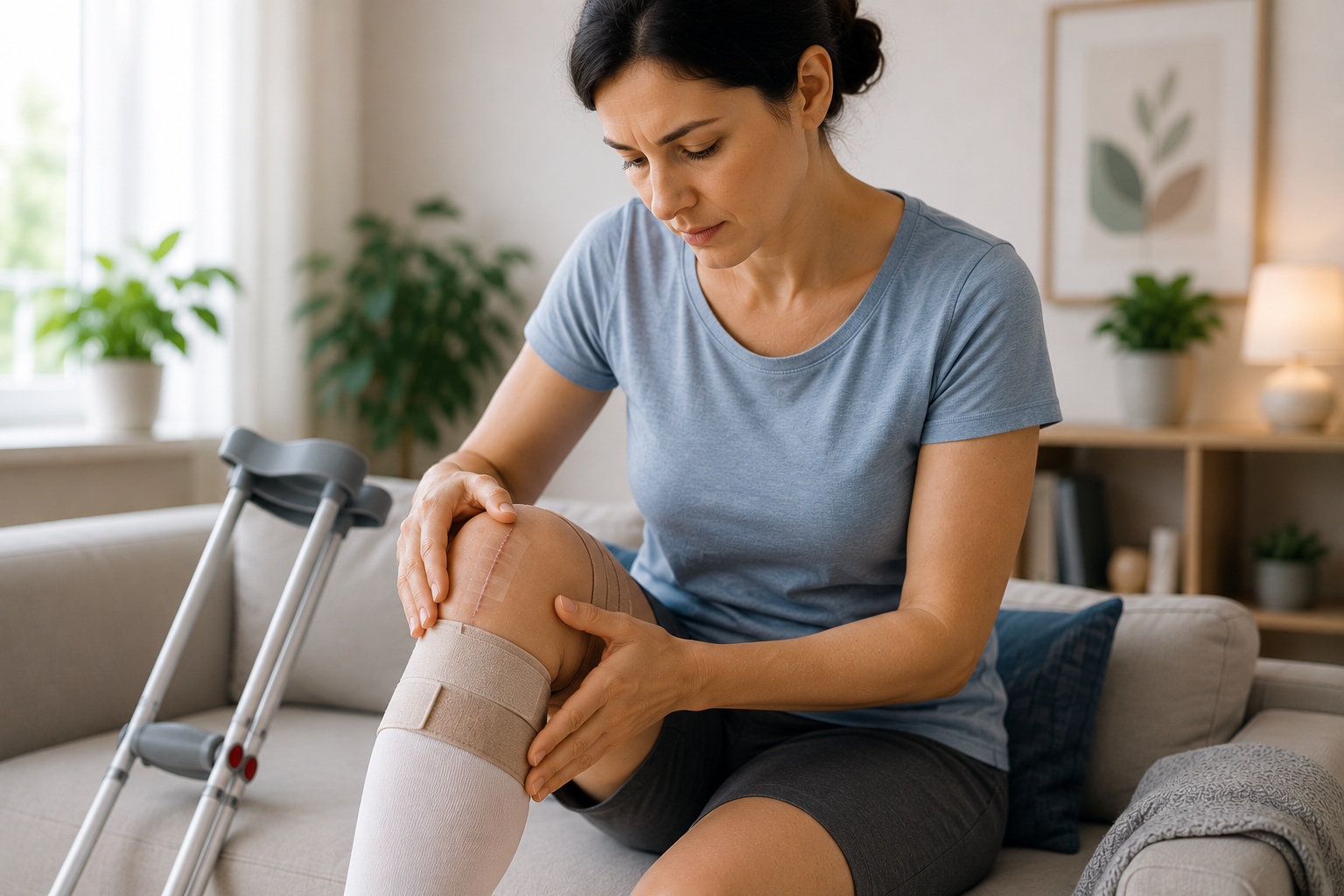
Post-Surgical Conditions
After surgery, you may experience pain, swelling, bruising, fatigue, and reduced mobility in the affected area. These changes can be temporary or long-lasting depending on the procedure and your overall health.
How can we help with Post-Surgical Recovery?
Physiotherapy plays a key role in post-surgical rehabilitation:
- Joint Mobilization — Restores range of motion and reduces stiffness in the surgical area.
- Strengthening Exercises — Progressive programs to rebuild strength and flexibility at a safe pace.
- Massage & Heat/Cold Therapy — Reduces pain and swelling at the surgical site.
- Education — Proper body mechanics and pain management strategies for optimal recovery.
A Multidisciplinary Approach at Bodiworks
Physiotherapy leads your recovery at Bodiworks, working alongside our other therapies for a complete, coordinated approach to care:
- Chiropractic Care — Gently restores joint mobility around the surgical area as you heal.
- Massage Therapy — Reduces scar tissue tension and swelling and improves circulation to the area.
- Acupuncture — Helps manage post-surgical pain and supports the healing process.

Sports Injuries
Sports injuries range from minor sprains and strains to serious ligament and tendon tears. Common injuries include sprained ankles, pulled muscles, and rotator cuff damage. Early treatment is critical to prevent further damage and ensure a full recovery.
How can we treat your Sports Injuries?
Our physiotherapists conduct a thorough assessment and create a tailored recovery plan:
- Rehabilitation Exercises — Targeted exercises to regain strength and flexibility in the injured area.
- Massage & Joint Mobilization — Hands-on techniques to alleviate pain, improve range of motion, and rebalance affected muscle groups.
- Personal Assessment — Physical examination and history review to develop a treatment plan specific to your injury.
- Injury Prevention Education — Guidance on proper technique to reduce the risk of re-injury.
A Multidisciplinary Approach at Bodiworks
Physiotherapy leads your recovery at Bodiworks, working alongside our other therapies for a complete, coordinated approach to care:
- Chiropractic Care — Restores joint alignment and function to get you back to sport safely.
- Massage Therapy — Speeds recovery of overworked and injured muscles and reduces soreness.
- Acupuncture — Reduces pain and inflammation from acute and overuse injuries.
- Shockwave Therapy — Accelerates healing of chronic tendon and soft tissue injuries.
Our goal is to help you return to your sport as quickly and safely as possible.
Book Your Appointment Now
Headaches and Migraines
Headaches and migraines can be triggered by muscle tension, stress, poor posture, weather changes, and underlying conditions. Migraines often include nausea, vomiting, and sensitivity to light and sound. Physiotherapy can identify and address musculoskeletal factors contributing to your pain.
How can we treat Headaches and Migraines?
- Soft tissue massage — Relieves tension and improves blood flow to the head and neck area.
- Joint Mobilization — Improves range of motion in the neck and upper back, often restricted by forward head posture.
- Strengthening and Stretching — Exercises to improve posture, muscle balance, and neck/upper back flexibility.
- Education — Preventative guidance on posture, ergonomics, and stress management.
A Multidisciplinary Approach at Bodiworks
Physiotherapy leads your recovery at Bodiworks, working alongside our other therapies for a complete, coordinated approach to care:
- Chiropractic Care — Addresses neck and upper-back tension that commonly triggers headaches.
- Massage Therapy — Releases tight neck, shoulder, and scalp muscles to reduce headache frequency.
- Acupuncture — Can reduce the frequency and intensity of headaches and migraines.

Balance and Gait Disorder
Balance and gait disorders affect your ability to maintain stability and walk properly. Causes include vestibular disorders, Parkinson’s disease, multiple sclerosis, stroke, head injury, peripheral neuropathy, and certain medications. These conditions increase the risk of falls and can significantly limit daily activities.
How can we treat Balance and Gait Disorders?
Physiotherapy improves muscle strength, flexibility, and coordination through:
- Strengthening Exercises — Leg and trunk exercises to improve muscle coordination and stability.
- Balance Training — Practice maintaining balance in various positions and environments.
- Gait Training — Improves walking patterns and reduces fall risk.
- Assistive Device Education — Guidance on using canes, walkers, and other aids for improved safety.
A Multidisciplinary Approach at Bodiworks
Physiotherapy leads your recovery at Bodiworks, working alongside our other therapies for a complete, coordinated approach to care:
- Chiropractic Care — Improves spinal and joint mobility that supports steady, balanced movement.
- Massage Therapy — Relaxes tight muscles that affect posture and walking.
- Acupuncture — Supports overall function and can help reduce associated dizziness.
- Vestibular Rehabilitation — Retrains the balance system to reduce falls and improve confidence.

Work-Related Injuries
Work-related injuries range from sprains and strains to repetitive strain injuries, back pain, and carpal tunnel syndrome. They’re commonly caused by repetitive motions, heavy lifting, poor ergonomics, and workplace accidents.
How can we treat Work-Related Injuries?
A physiotherapist can assess your injury and develop a recovery plan that includes:
- Physical Therapy — Exercises and techniques to reduce pain, improve mobility, and restore strength.
- Ergonomic Assessment — Evaluates your work environment to identify and correct contributing factors.
- Education — Safe lifting techniques, body mechanics, and workplace injury prevention strategies.
A Multidisciplinary Approach at Bodiworks
Physiotherapy leads your recovery at Bodiworks, working alongside our other therapies for a complete, coordinated approach to care:
- Chiropractic Care — Treats joint and spinal strain from repetitive or heavy work tasks.
- Massage Therapy — Relieves muscle tension and fatigue from workplace strain.
- Acupuncture — Reduces pain and inflammation to help you return to work sooner.

Elbow/Hand/Wrist Pain
Elbow, hand, and wrist pain is commonly caused by overuse injuries like tennis elbow and carpal tunnel syndrome, as well as arthritis. Symptoms include pain, stiffness, numbness, tingling, and weakness that can interfere with daily tasks.
How can we treat Elbow, Hand and Wrist Pain?
Your physiotherapist will create a personalized plan based on the underlying cause, which may include:
- Soft tissue massage — Relieves pain and swelling to promote healing.
- Joint Mobilization — Improves range of motion in the elbow, hand, and wrist.
- Strengthening and Stretching — Targeted exercises to overcome deficiencies and reduce discomfort.
- Education — Proper body mechanics and use of splints to prevent re-injury.
A Multidisciplinary Approach at Bodiworks
Physiotherapy leads your recovery at Bodiworks, working alongside our other therapies for a complete, coordinated approach to care:
- Chiropractic Care — Addresses joint restrictions in the elbow, wrist, and hand that contribute to pain.
- Massage Therapy — Releases tight forearm muscles that overload the elbow and wrist.
- Acupuncture — Reduces pain and inflammation in the elbow, wrist, and hand.
- Shockwave Therapy — Helps resolve stubborn tennis and golfer's elbow.

Motor Vehicle Accident Injuries
If you've been injured in a car accident, our team of experts can help you find relief.
If you’ve been injured in a motor vehicle accident, Bodiworks can help. We are trained in car accident injury recovery and have the tools to help you recover from all types of motor vehicle injuries.
Common injuries after an auto accident:
- Spinal cord injuries
- Traumatic brain injuries
- Burns, bruises, and lacerations
- Neck and back injuries
- Fractures and crush injuries
- Whiplash
- Shoulder and soft tissue injuries
Injury Care covered under your claim
Your recovery may draw on several complementary therapies, all of which can be covered under your accident claim:
- Physiotherapy (PT) — Focuses on restoring movement, strength, and function after injury through targeted exercises and hands-on treatment. The sooner you begin physiotherapy, the better your chances of a full recovery.
- Chiropractic Care — Addresses joint and spinal dysfunction to reduce pain, improve mobility, and restore musculoskeletal function.
- Acupuncture — Uses fine needles to reduce pain and inflammation while promoting the body's natural healing response.
- Massage Therapy — Helps relieve muscle tension, improve circulation, reduce pain, and support recovery from soft tissue injuries.
Benefits of Treatment
Combining multiple therapies lets us address muscles, joints, nerves, and movement patterns together for a more complete recovery. Benefits include:
- Reduce Pain — A combination of physiotherapy, chiropractic care, acupuncture, and massage therapy helps decrease pain, improve mobility, and support healing.
- Restore Movement & Function — Hands-on treatment, targeted exercise, spinal and joint care, and soft tissue therapy work together to help you regain strength and confidence.
- Treat Dizziness & Vertigo — Vestibular physiotherapy can effectively address dizziness and balance issues that may occur after a motor vehicle accident.
- Speed Up Recovery — Combining multiple therapies allows us to address muscles, joints, nerves, and movement patterns for a more complete recovery.
- Help Prevent Long-Term Problems — Early assessment and treatment can reduce the risk of chronic pain, stiffness, and ongoing mobility issues.
At Bodiworks, we take a collaborative approach to motor vehicle accident recovery. Our physiotherapists, chiropractors, massage therapists, and acupuncturists work together to reduce pain, restore mobility, improve function, and help you recover as safely and efficiently as possible. Let our team guide you every step of the way on your road to recovery.
Book Your Appointment Now
Chronic Pain
Chronic pain is pain that persists for three months or longer, often continuing after the original injury or illness has healed. It can affect any part of the body and may come with fatigue, poor sleep, and reduced mobility. A targeted physiotherapy program addresses both the source of the pain and the way your body has adapted to it.
How can Chronic Pain be treated?
Your physiotherapist will build a personalized plan that may include:
- Manual Therapy — Hands-on techniques to ease pain, loosen stiff joints, and improve mobility.
- Graded Exercise — Progressive strengthening and conditioning to rebuild tolerance to activity.
- Pain Education — Understanding your pain to reduce fear of movement and support recovery.
- Modalities — Acupuncture, shockwave, or laser therapy to calm irritated tissues.
A Multidisciplinary Approach at Bodiworks
Physiotherapy leads your recovery at Bodiworks, working alongside our other therapies for a complete, coordinated approach to care:
- Chiropractic Care — Improves joint mobility and reduces the mechanical stress that feeds chronic pain.
- Massage Therapy — Eases persistent muscle tension and supports relaxation and better sleep.
- Acupuncture — Helps calm the nervous system and reduce long-standing pain.
Ankle Injury
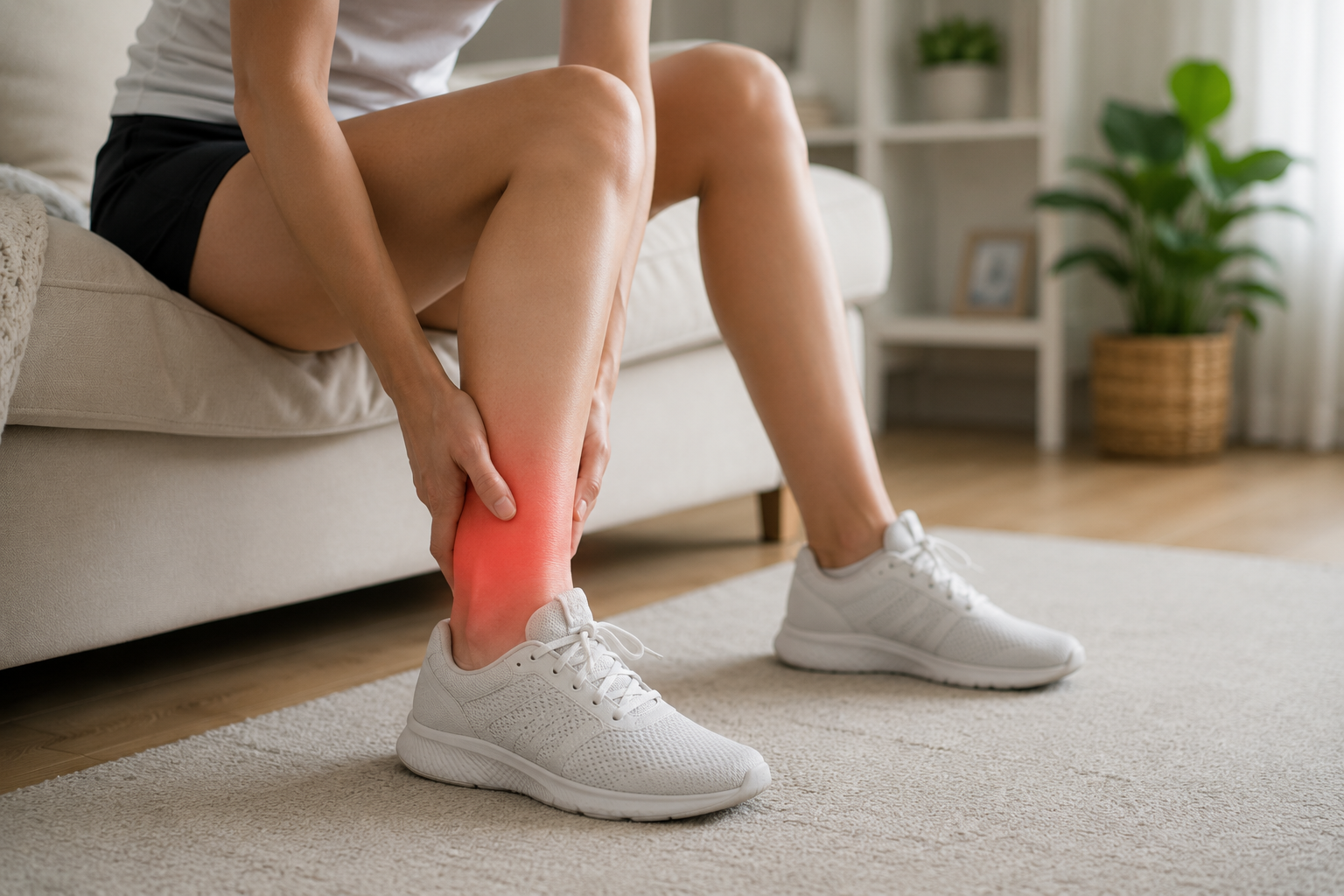
Ankle injuries, from rolled ankles and ligament sprains to tendon strains, are among the most common musculoskeletal complaints. Without proper rehabilitation they can lead to lingering instability and repeat injuries. Physiotherapy restores strength, balance, and confidence on your feet.
How can an Ankle Injury be treated?
A physiotherapist will assess your ankle and design a recovery plan that may include:
- Manual Therapy — Joint mobilization to restore normal ankle movement.
- Balance & Proprioception Training — Retrains stability to prevent re-injury.
- Strengthening Exercises — Rebuilds the muscles supporting the ankle and foot.
- Bracing & Taping — Supports the joint through the early stages of healing.
A Multidisciplinary Approach at Bodiworks
Physiotherapy leads your recovery at Bodiworks, working alongside our other therapies for a complete, coordinated approach to care:
- Chiropractic Care — Restores alignment and movement in the ankle and foot joints.
- Massage Therapy — Reduces swelling and tension in the calf and ankle to aid recovery.
- Acupuncture — Reduces pain and inflammation after an ankle injury.
- Custom Orthotics — Supports the foot and ankle to help prevent re-injury.
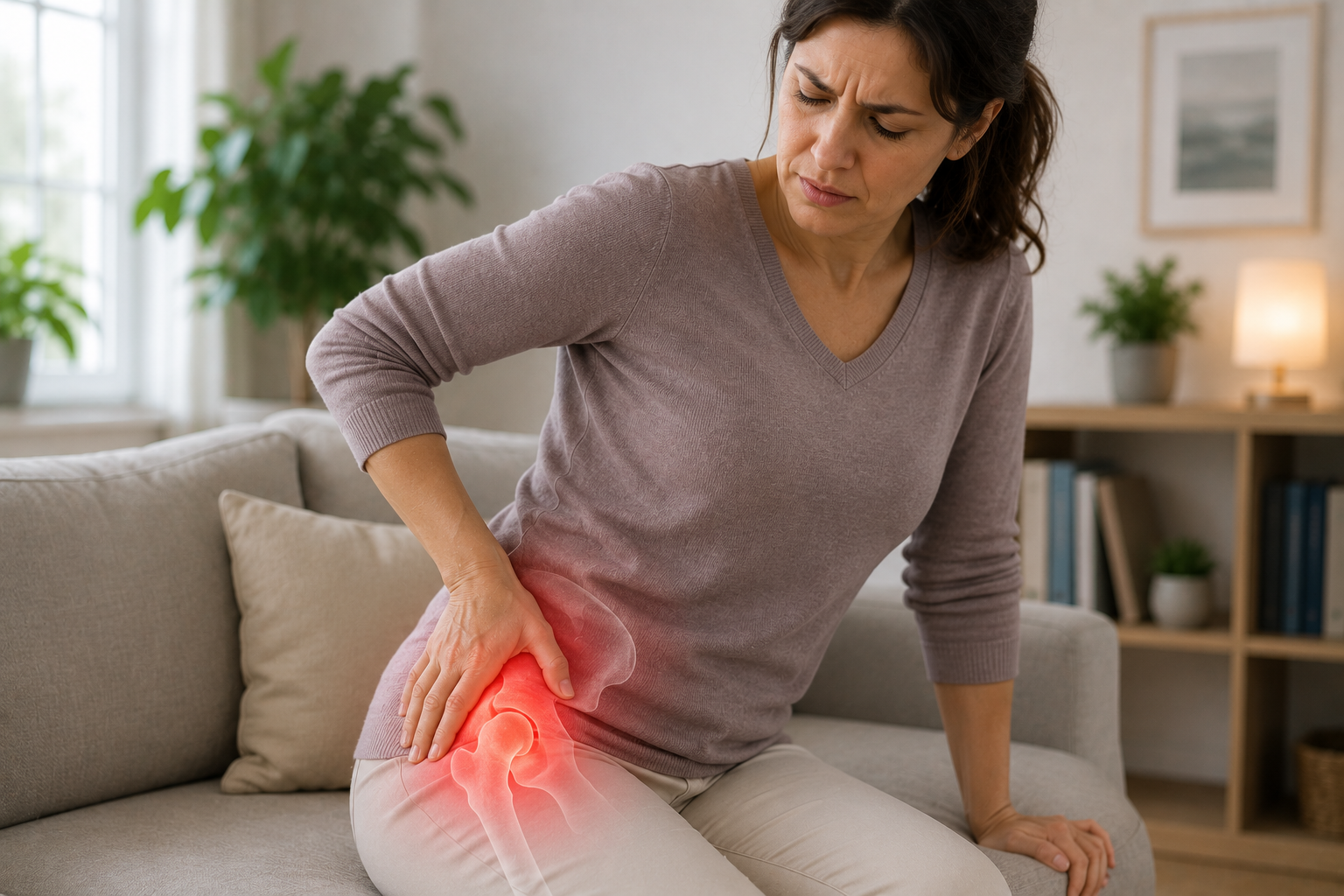
Hip Pain
Hip pain can stem from arthritis, bursitis, tendon problems, or pain referred from the lower back. It often makes walking, climbing stairs, and sleeping uncomfortable. Physiotherapy targets the underlying cause to relieve pain and restore smooth, pain-free movement.
How can Hip Pain be treated?
Your physiotherapist will create a tailored plan that may include:
- Manual Therapy — Hands-on techniques to improve hip mobility and reduce stiffness.
- Strengthening Exercises — Targets the glutes and core to better support the hip joint.
- Stretching & Mobility Work — Relieves tight muscles that pull on the hip.
- Activity Modification — Guidance to reduce strain during daily movement.
A Multidisciplinary Approach at Bodiworks
Physiotherapy leads your recovery at Bodiworks, working alongside our other therapies for a complete, coordinated approach to care:
- Chiropractic Care — Addresses hip and lower-back joint restrictions that contribute to pain.
- Massage Therapy — Releases tight hip and glute muscles to improve comfort and movement.
- Acupuncture — Reduces hip pain and inflammation and supports mobility.
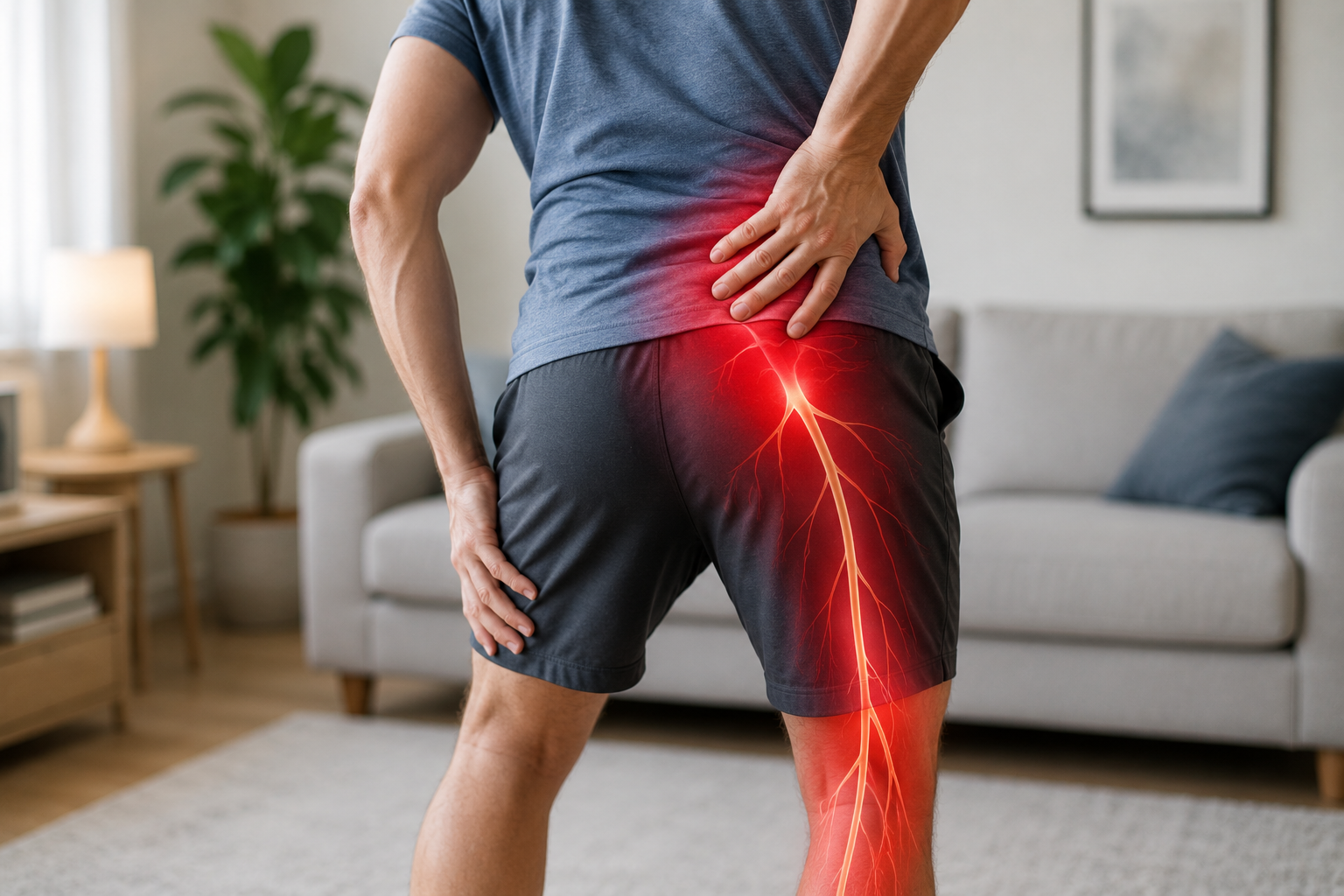
Sciatica
Sciatica is pain that radiates along the sciatic nerve, running from the lower back through the hips and down the leg. It is often caused by a herniated disc, spinal stenosis, or muscle compression, and can bring sharp pain, tingling, or numbness. Physiotherapy relieves nerve pressure and addresses the root cause.
How can Sciatica be treated?
A physiotherapist can assess your symptoms and develop a plan that may include:
- Manual Therapy — Mobilizes the spine and hips to reduce nerve irritation.
- Nerve Mobilization — Gentle techniques to free up the sciatic nerve.
- Core & Postural Strengthening — Supports the spine and reduces recurrence.
- Targeted Stretching — Eases tension in the lower back, glutes, and hamstrings.
A Multidisciplinary Approach at Bodiworks
Physiotherapy leads your recovery at Bodiworks, working alongside our other therapies for a complete, coordinated approach to care:
- Chiropractic Care — Spinal adjustments help relieve pressure on the sciatic nerve at its source.
- Massage Therapy — Releases tight lower-back and glute muscles that irritate the nerve.
- Acupuncture — Reduces nerve pain and inflammation along the sciatic pathway.
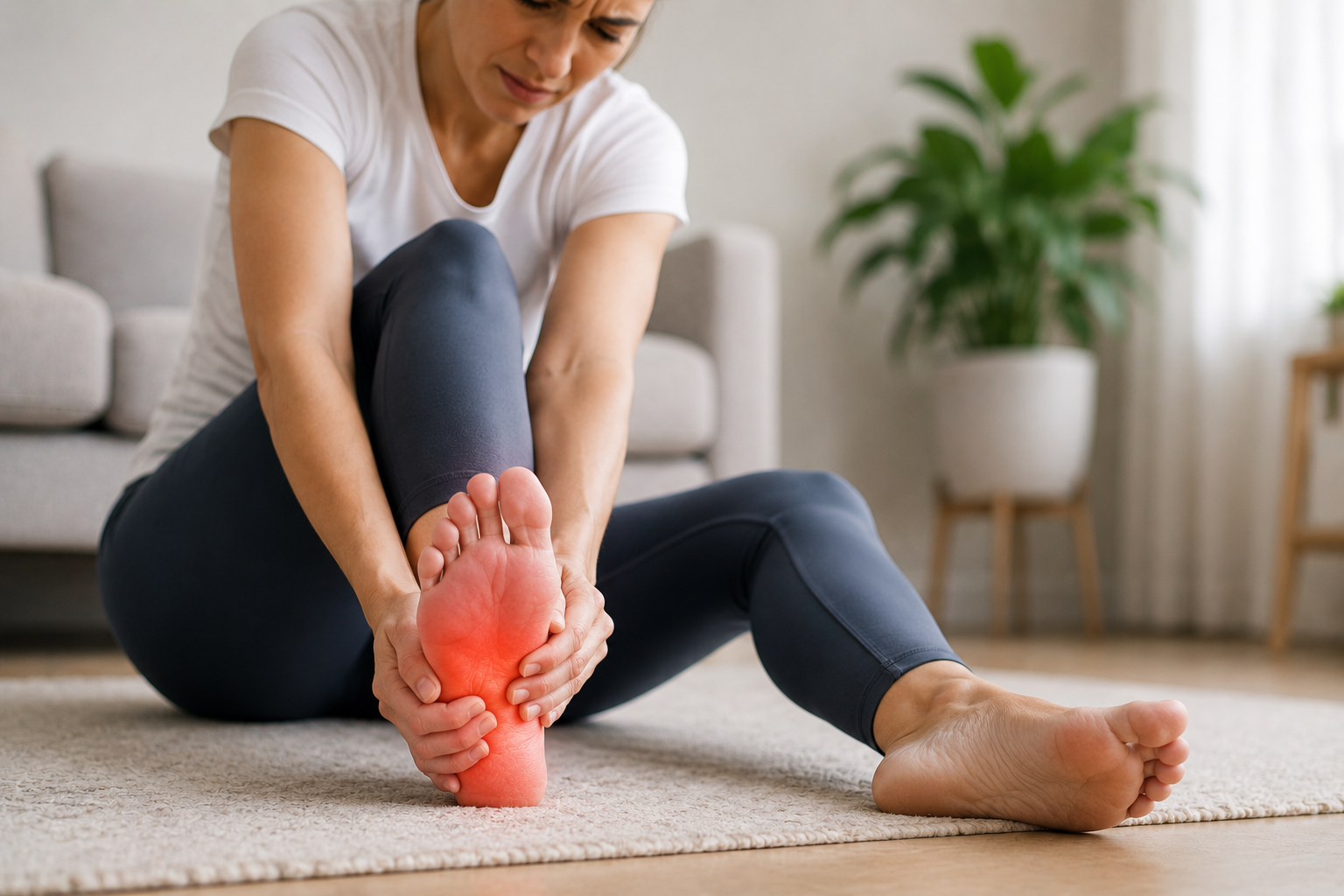
Plantar Fasciitis
Plantar fasciitis is inflammation of the band of tissue running along the bottom of the foot, causing heel pain that is often worst with the first steps in the morning. It is common in runners, people who stand for long periods, and those with tight calves. Physiotherapy reduces pain and corrects the contributing factors.
How can Plantar Fasciitis be treated?
A physiotherapist will assess your foot mechanics and create a plan that may include:
- Manual Therapy — Soft tissue work to release the plantar fascia and calf.
- Stretching & Strengthening — Improves flexibility and supports the arch of the foot.
- Shockwave Therapy — Stimulates healing in stubborn, long-standing cases.
- Footwear & Orthotics Advice — Reduces strain on the heel during daily activity.
A Multidisciplinary Approach at Bodiworks
Physiotherapy leads your recovery at Bodiworks, working alongside our other therapies for a complete, coordinated approach to care:
- Chiropractic Care — Addresses foot and ankle alignment that contributes to heel strain.
- Massage Therapy — Releases tight calf muscles and the plantar fascia to reduce pain.
- Acupuncture — Reduces heel pain and inflammation.
- Shockwave Therapy — Stimulates healing in stubborn, long-standing cases.
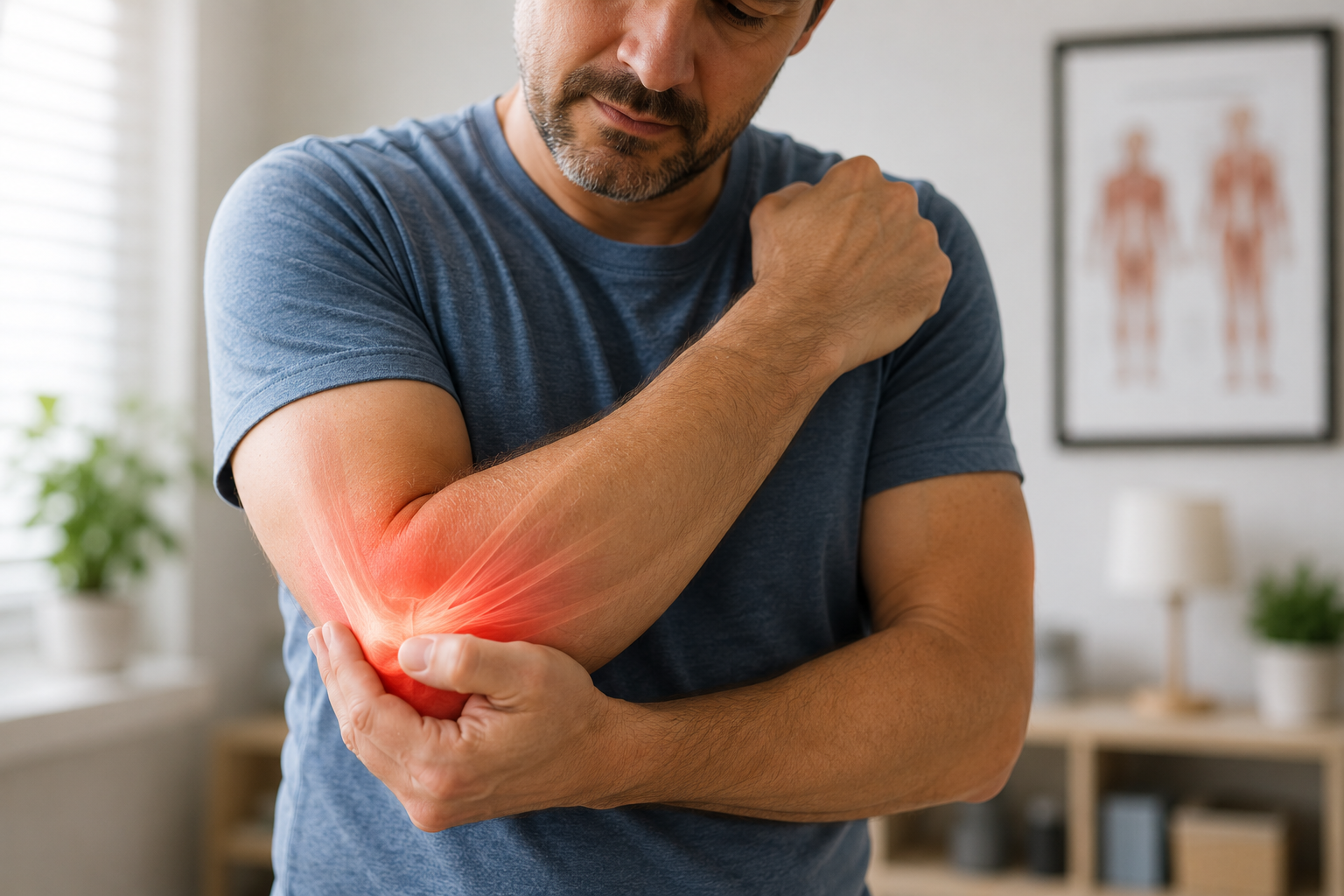
Tennis and Golfer's Elbow
Tennis elbow and golfer's elbow are overuse injuries affecting the tendons on the outer and inner elbow. They cause pain, tenderness, and weakness with gripping and lifting, and often result from repetitive arm motions, not just sport. Physiotherapy calms the irritated tendon and rebuilds its capacity.
How can Tennis and Golfer's Elbow be treated?
Your physiotherapist will develop a plan that may include:
- Soft Tissue Therapy — Reduces tension and pain around the affected tendon.
- Progressive Loading Exercises — Rebuilds tendon strength and resilience.
- Bracing — Offloads the tendon to allow it to settle.
- Activity & Ergonomic Advice — Identifies and reduces the repetitive strain causing symptoms.
A Multidisciplinary Approach at Bodiworks
Physiotherapy leads your recovery at Bodiworks, working alongside our other therapies for a complete, coordinated approach to care:
- Chiropractic Care — Addresses elbow and wrist joint restrictions that add to the strain.
- Massage Therapy — Releases tight forearm muscles that overload the elbow tendons.
- Acupuncture — Reduces tendon pain and inflammation.
- Shockwave Therapy — Stimulates healing in persistent cases that haven't responded to other care.
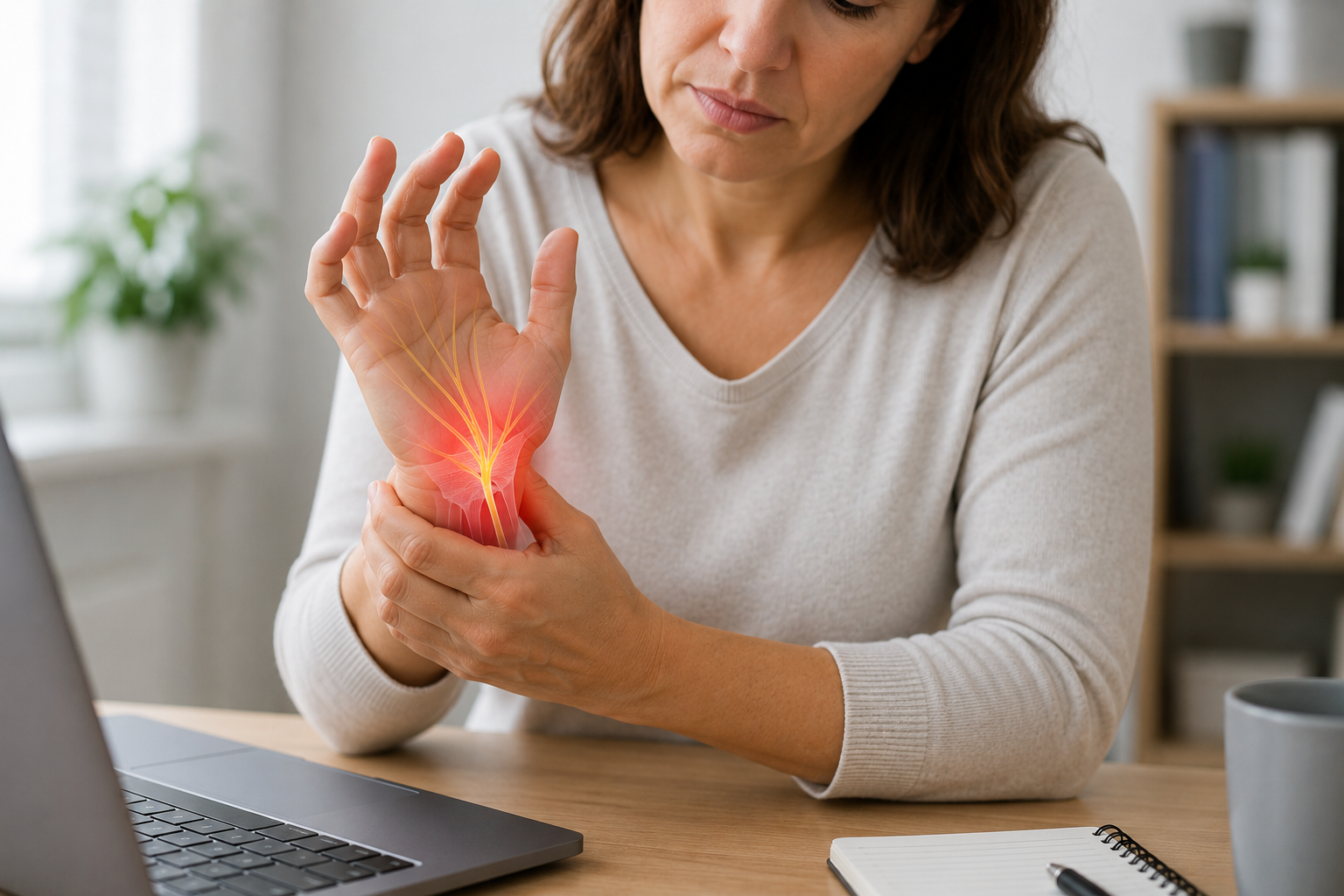
Carpal Tunnel Syndrome
Carpal tunnel syndrome occurs when the median nerve is compressed at the wrist, causing numbness, tingling, and weakness in the hand and fingers. It is often linked to repetitive hand use, and symptoms tend to worsen at night. Physiotherapy can relieve pressure on the nerve and improve hand function, often avoiding the need for surgery.
How can Carpal Tunnel Syndrome be treated?
A physiotherapist will assess your wrist and hand and create a plan that may include:
- Nerve Gliding Exercises — Helps the median nerve move freely through the wrist.
- Manual Therapy — Mobilizes the wrist and surrounding tissues to reduce compression.
- Splinting — Supports the wrist in a neutral position, especially at night.
- Ergonomic Advice — Adjusts hand and wrist positioning to reduce strain.
A Multidisciplinary Approach at Bodiworks
Physiotherapy leads your recovery at Bodiworks, working alongside our other therapies for a complete, coordinated approach to care:
- Chiropractic Care — Addresses wrist, elbow, and neck joint restrictions that can affect the median nerve.
- Massage Therapy — Releases tight forearm and wrist muscles to reduce nerve compression.
- Acupuncture — Reduces pain, tingling, and inflammation at the wrist.
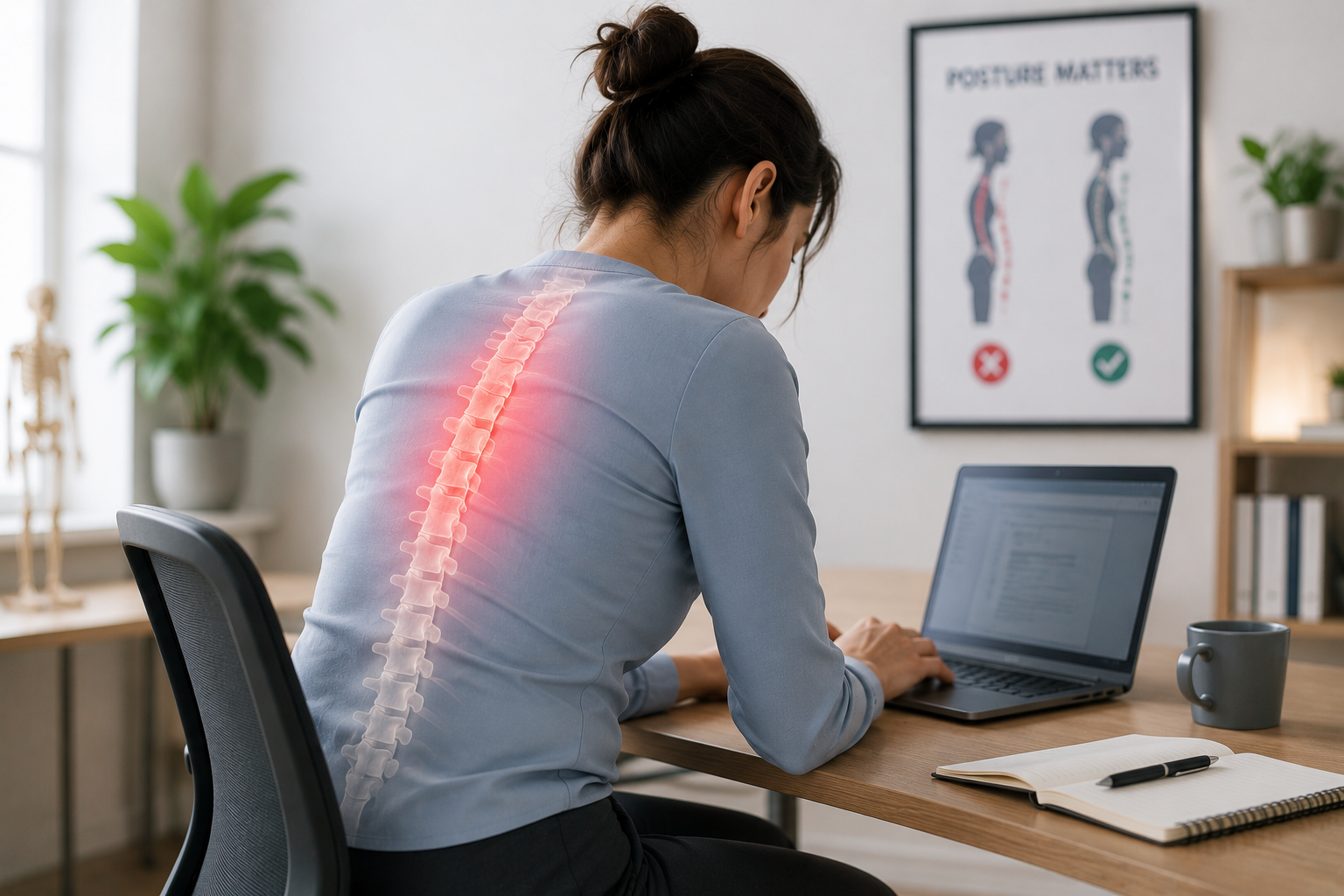
Postural Imbalances
Postural imbalances develop when muscles become tight or weak from prolonged sitting, repetitive habits, or past injuries, pulling the body out of alignment. Over time they can lead to neck, back, and shoulder pain. Physiotherapy identifies the imbalance and retrains the body toward balanced, efficient posture.
How can Postural Imbalances be treated?
Your physiotherapist will assess your posture and movement and build a plan that may include:
- Postural Assessment — Pinpoints the muscles and joints contributing to the imbalance.
- Strengthening Exercises — Activates and builds the muscles that support good posture.
- Stretching & Mobility Work — Releases tight areas that pull the body out of alignment.
- Ergonomic Education — Improves your workstation and daily habits.
A Multidisciplinary Approach at Bodiworks
Physiotherapy leads your recovery at Bodiworks, working alongside our other therapies for a complete, coordinated approach to care:
- Chiropractic Care — Improves spinal alignment and joint mobility to support better posture.
- Massage Therapy — Releases the tight muscles that pull the body out of alignment.
- Acupuncture — Eases the muscle tension and discomfort that come with poor posture.
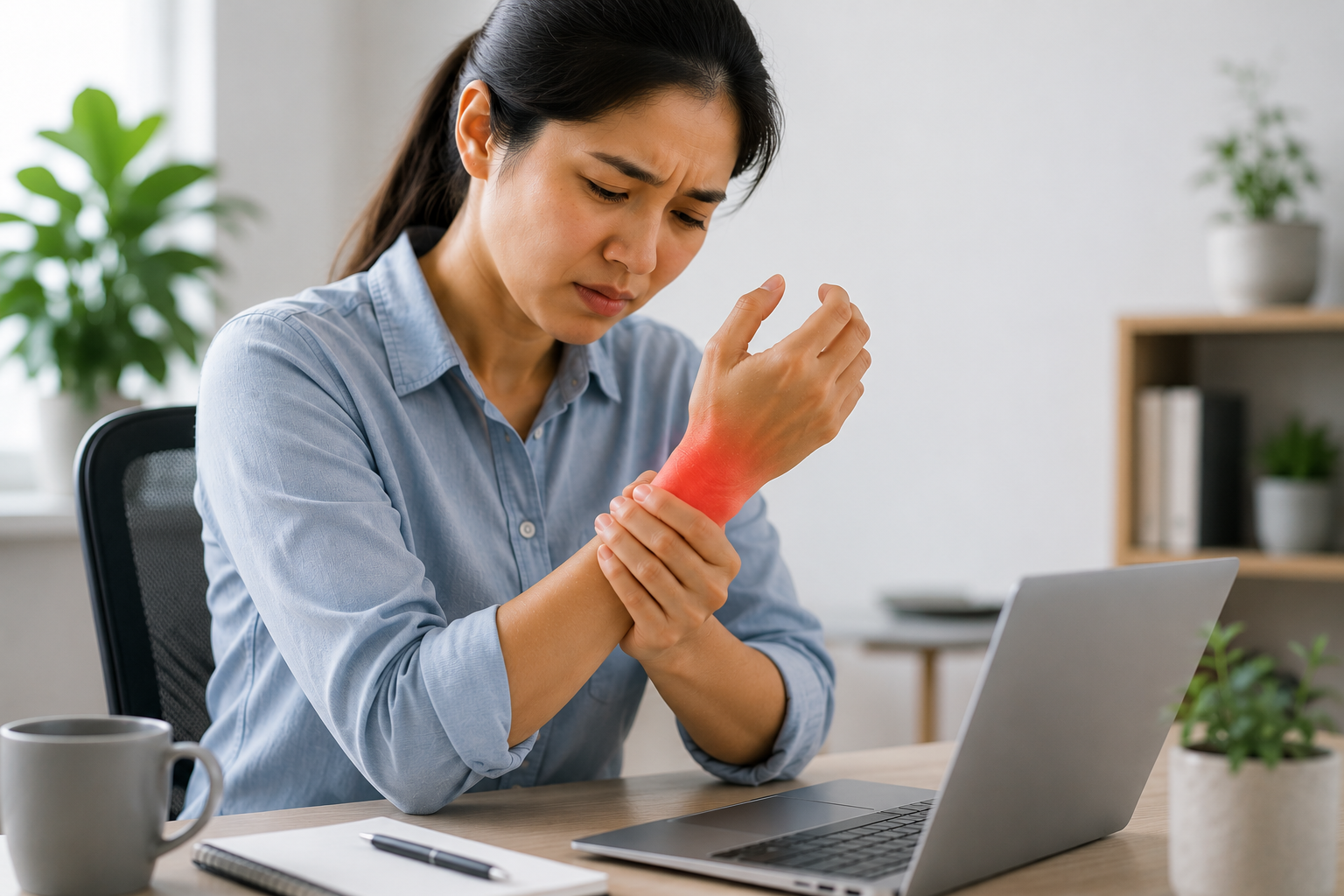
Repetitive Strain Injuries
Repetitive strain injuries (RSI) result from repeated movements and sustained postures that gradually overload muscles, tendons, and nerves, and are common in office work, trades, and assembly tasks. Symptoms include aching, stiffness, weakness, and tingling. Physiotherapy treats the affected tissues and addresses the habits driving the strain.
How can Repetitive Strain Injuries be treated?
A physiotherapist will assess the affected area and create a plan that may include:
- Soft Tissue Therapy — Relieves muscle tension and improves circulation to healing tissues.
- Strengthening & Conditioning — Builds tolerance to the demands of your activity.
- Ergonomic & Movement Coaching — Reduces the repetitive load causing your symptoms.
- Activity Pacing — Strategies to balance work and recovery and prevent flare-ups.
A Multidisciplinary Approach at Bodiworks
Physiotherapy leads your recovery at Bodiworks, working alongside our other therapies for a complete, coordinated approach to care:
- Chiropractic Care — Restores joint movement in areas overloaded by repetitive tasks.
- Massage Therapy — Relieves the muscle tension and fatigue driving your symptoms.
- Acupuncture — Reduces pain and inflammation in the affected muscles and tendons.
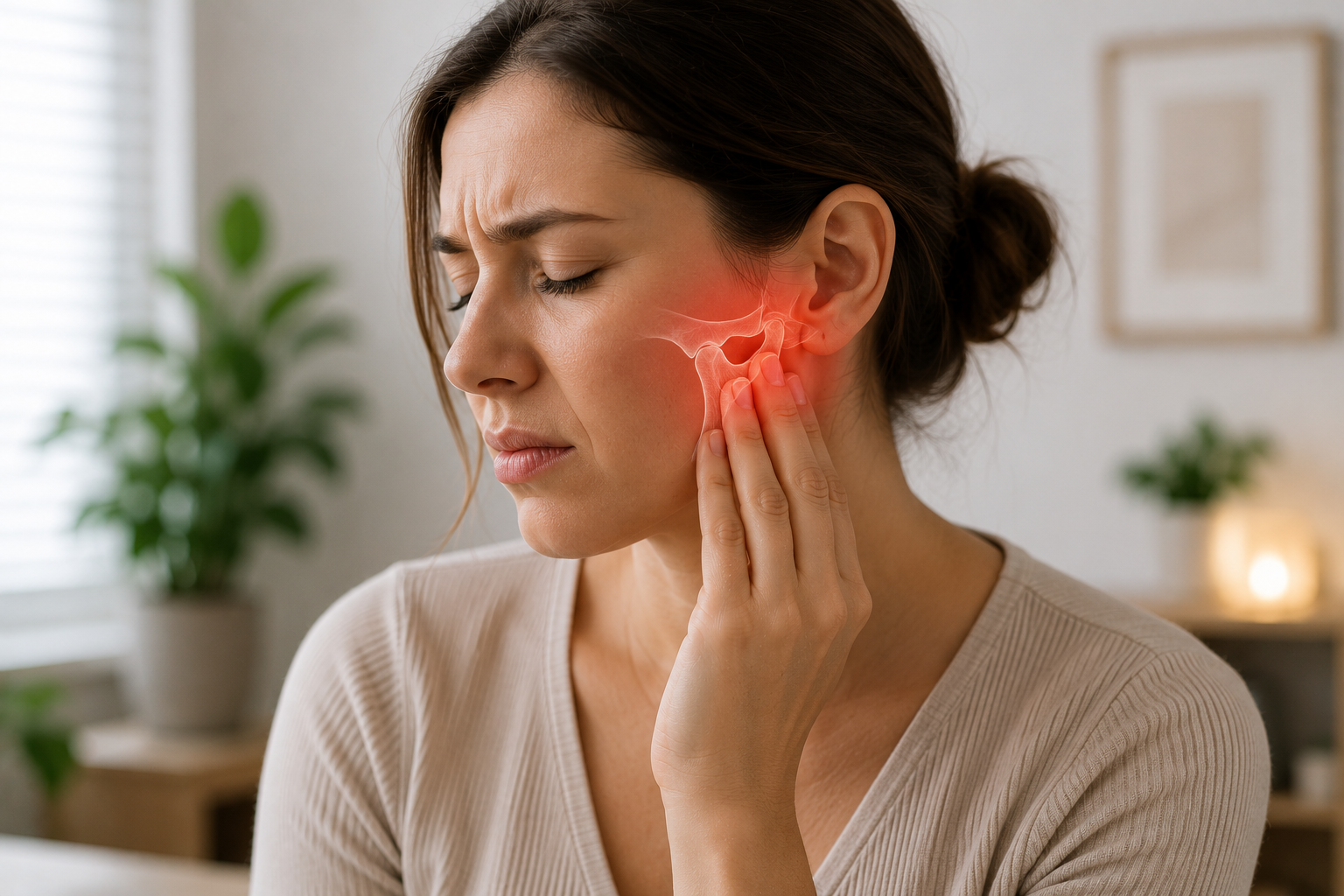
TMJ Treatment
TMJ disorders affect the temporomandibular joint that connects your jaw to your skull, causing jaw pain, clicking, headaches, and difficulty chewing. They can stem from clenching, grinding, injury, or muscle tension. Physiotherapy relieves pain and restores normal jaw movement.
How can TMJ Disorders be treated?
Your physiotherapist will assess your jaw and neck and design a plan that may include:
- Manual Therapy — Hands-on techniques to release the jaw and surrounding muscles.
- Jaw Exercises — Improves control, mobility, and alignment of the joint.
- Postural & Neck Treatment — Addresses neck tension that contributes to jaw pain.
- Relaxation & Habit Retraining — Reduces clenching and grinding.
A Multidisciplinary Approach at Bodiworks
Physiotherapy leads your recovery at Bodiworks, working alongside our other therapies for a complete, coordinated approach to care:
- Chiropractic Care — Addresses neck and upper-back tension that contributes to jaw dysfunction.
- Massage Therapy — Releases tight jaw, face, and neck muscles to ease TMJ pain.
- Acupuncture — Reduces jaw pain and muscle tension around the joint.
Not sure where to start?
Book your free 15-minute consult! Our Team